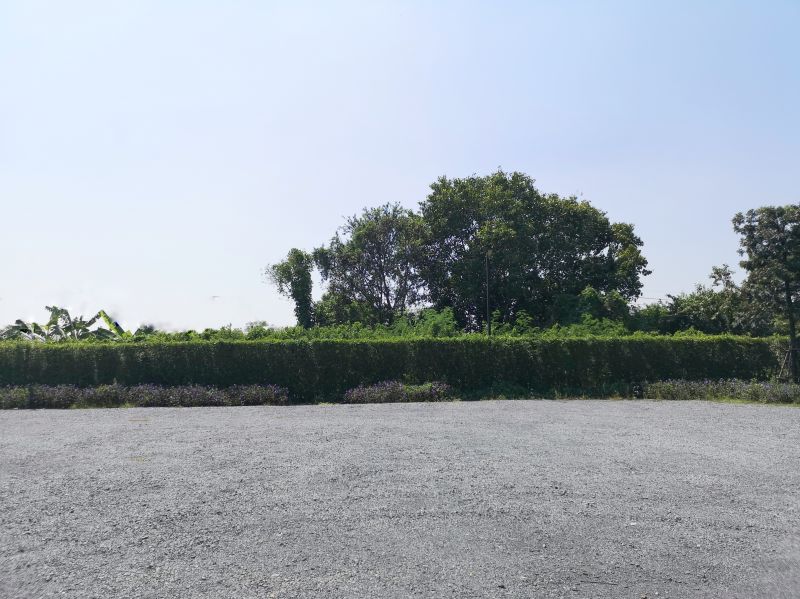
Lot Grading in Houston, TX
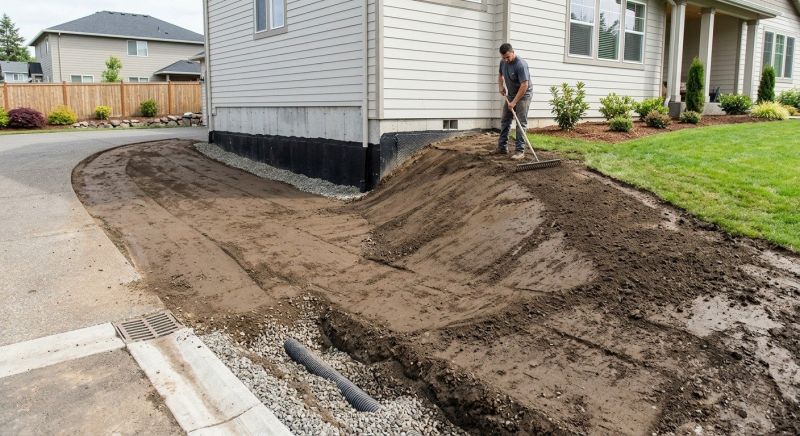
Lot grading services involve adjusting the slope and elevation of a property’s land to ensure proper drainage and stability. This process is commonly requested for projects such as new construction, landscape improvements, foundation protection, or yard drainage solutions. Property owners often seek lot grading to prevent water pooling, protect structures from water damage, and create a safe, level outdoor space. Before requesting grading services, it’s helpful to understand the current topography of the property, any existing drainage issues, and the desired outcome for water flow and land contour.
Proper lot grading can enhance the overall functionality of a property by directing runoff away from buildings and ensuring the land slopes appropriately. Homeowners typically want to know about the scope of grading needed, the impact on existing landscaping, and any potential effects on neighboring properties. Clarifying these details can help ensure the grading work aligns with property goals and local regulations, leading to a well-drained, stable, and safe outdoor environment.
Many property owners in Houston, TX look into Lot Grading for repairs, replacements, upgrades, and appearance-related improvements.
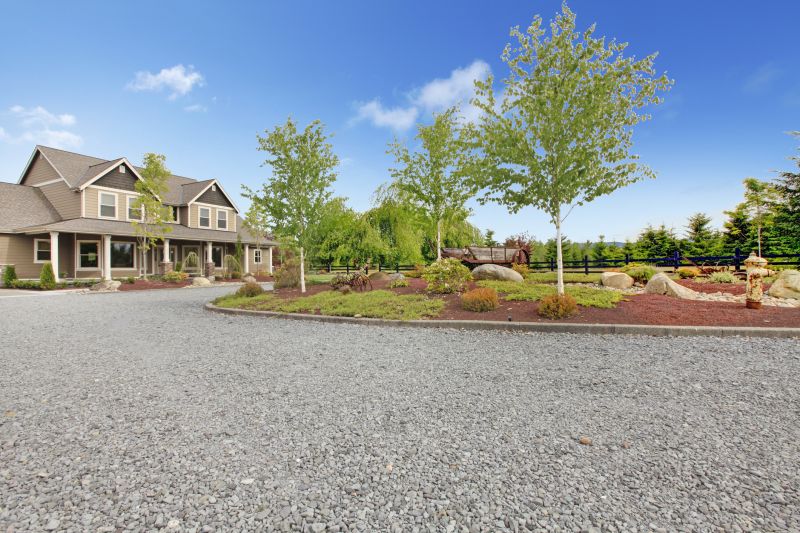
Proper Drainage And Water Flow
Effective lot grading ensures water drains away from structures to prevent flooding and foundation issues.
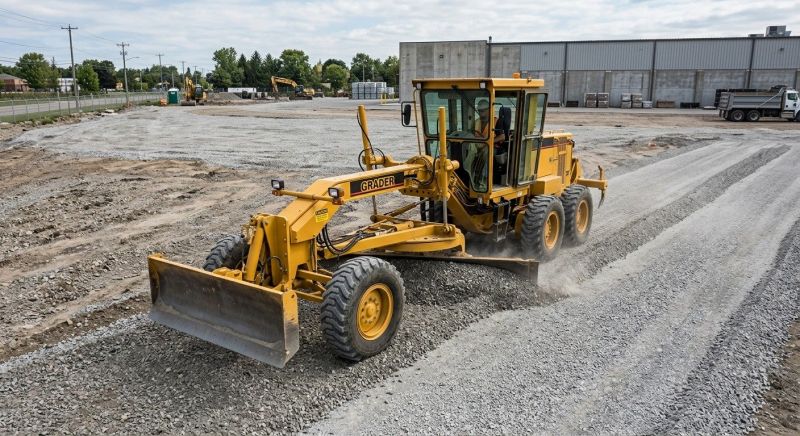
Enhancing Property Stability
Correct grading provides a stable base for landscaping, driveways, and future construction projects.
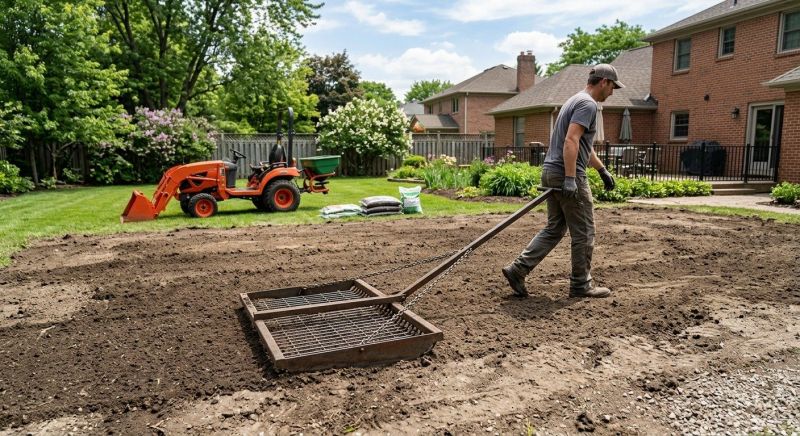
Preparing For Construction Projects
Proper lot grading creates a level and well-drained site ideal for building homes or other structures in houston, tx.
Lot Grading in Houston, TX

Lot grading services involve adjusting the slope and elevation of a property’s land to ensure proper drainage and stability. This process is commonly requested for projects such as new construction, landscape improvements, foundation protection, or yard drainage solutions. Property owners often seek lot grading to prevent water pooling, protect structures from water damage, and create a safe, level outdoor space. Before requesting grading services, it’s helpful to understand the current topography of the property, any existing drainage issues, and the desired outcome for water flow and land contour.
Proper lot grading can enhance the overall functionality of a property by directing runoff away from buildings and ensuring the land slopes appropriately. Homeowners typically want to know about the scope of grading needed, the impact on existing landscaping, and any potential effects on neighboring properties. Clarifying these details can help ensure the grading work aligns with property goals and local regulations, leading to a well-drained, stable, and safe outdoor environment.
Many property owners in Houston, TX look into Lot Grading for repairs, replacements, upgrades, and appearance-related improvements.
Common Lot Grading Jobs
Lot Grading - ensures proper slope and drainage across the property.
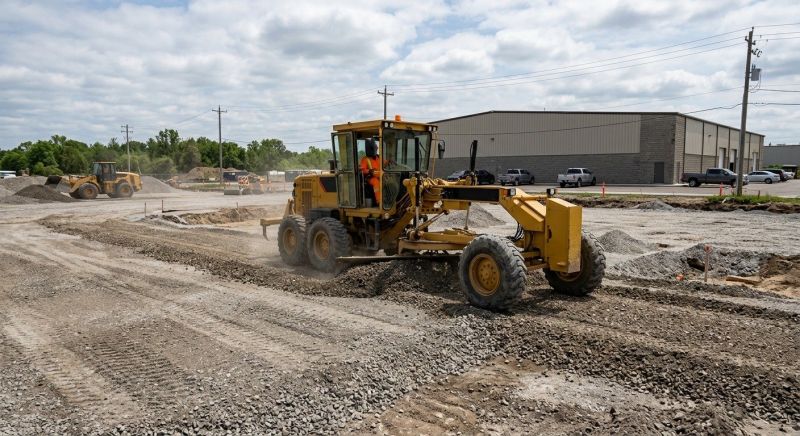
Site Preparation - levels the land to prepare for construction or landscaping.
Drainage Improvement - directs water flow away from foundations and structures.
Erosion Control - stabilizes soil to prevent washouts and land degradation.
Landscape Drainage - manages surface water to protect gardens and lawns.
Foundation Drainage - reduces water accumulation around building foundations.
Lot Grading Questions
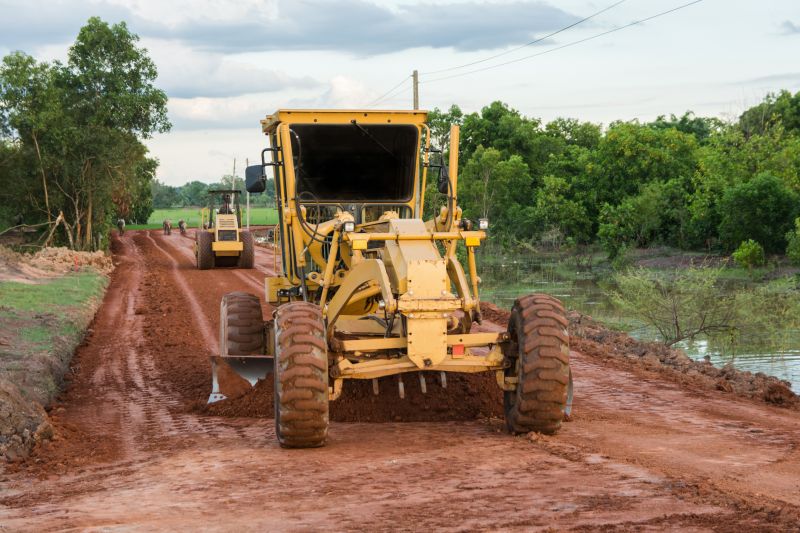
What is lot grading? Lot grading involves shaping and leveling the land to ensure proper drainage and prevent water accumulation around a property.
Why is lot grading important? Proper lot grading helps protect foundations, reduces erosion, and keeps the property safe from water damage.
What types of projects require lot grading? Projects include preparing a yard for landscaping, installing new driveways, or fixing drainage issues around a property.
How does lot grading benefit property owners? It improves drainage, enhances property value, and helps maintain a stable, even landscape.
Request Lot Grading in Houston, TX
Use the quote form on this page to share the basics of your project and request more information for the type of work you need.