Get Trench Installation
Trench installation services help property owners install or repair underground utilities, drainage systems, and irrigation lines by connecting with local contractors experienced in trenching projects.
If you’re considering trench installation for your property, you’re in the right place to explore your options. Proper trenching can be essential for projects like drainage improvements, utility line placement, or landscape enhancements. Property owners in the area often look into trenching to address specific site needs, improve functionality, or prepare for future upgrades. Comparing local contractors who specialize in trench installation can help ensure the work is done efficiently and to your specifications, making it easier to plan your project with confidence.
Continuing to review available services can provide valuable insights into the different approaches and expertise offered by local contractors. Whether you’re planning a small-scale upgrade or a larger project, understanding what local providers can do helps in making informed decisions. Keep reading to learn more about the benefits of connecting with experienced trench installation specialists who serve your area and can support your property’s specific requirements.
- Residential Trench Installation - homeowners may need this service when installing new irrigation systems or drainage solutions.
- Commercial Trench Work - businesses require trenching for utility line placement or site infrastructure development.
- Foundation Drainage Trenching - property owners seek trenching to improve drainage around building foundations.
- Landscape Drainage Solutions - landscapers and property managers look for trenching to manage excess water flow effectively.
- Utility Line Installation - contractors often need trenching services for laying electrical, water, or communication lines.
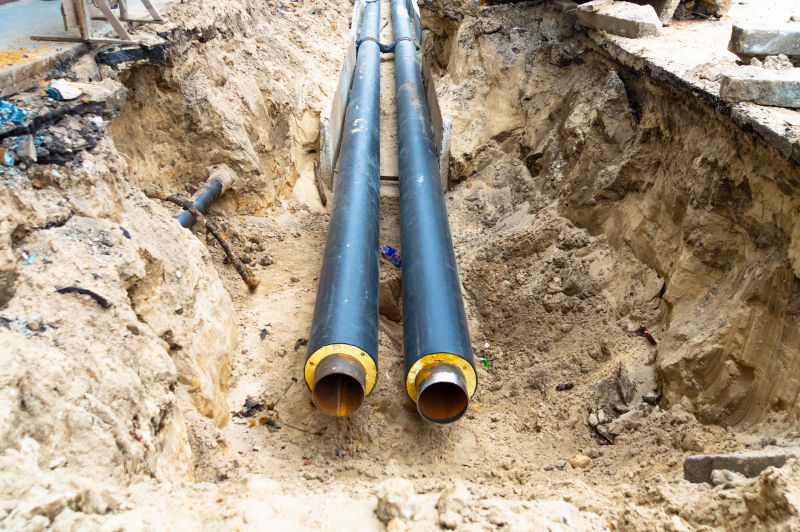
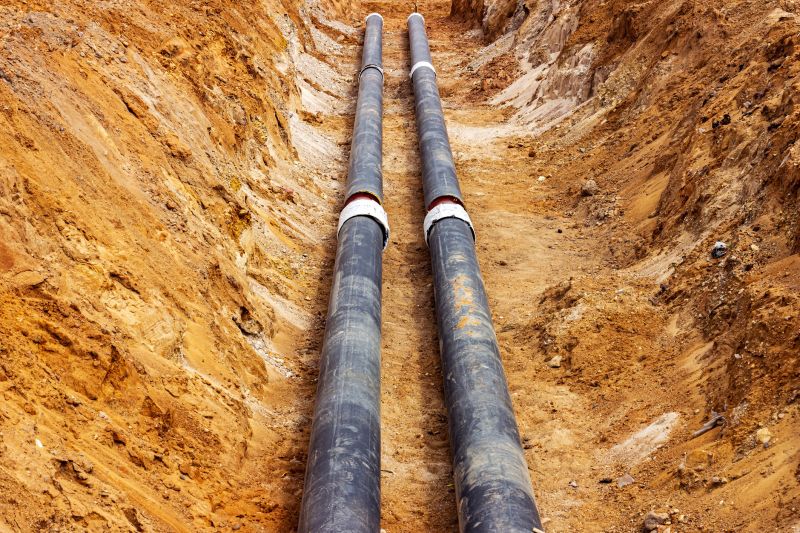
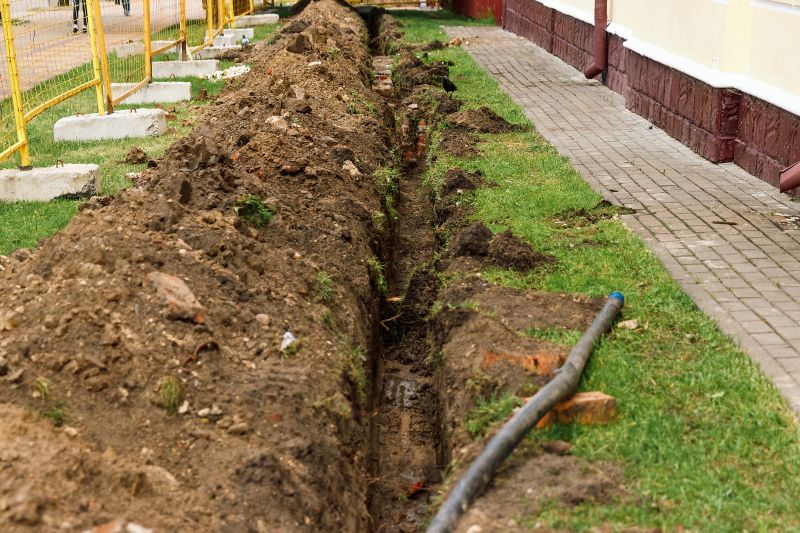
Trench installation services involve digging and constructing a trench that serves various purposes around a property. This process typically includes excavating a narrow, straight channel in the ground to accommodate utilities, drainage systems, or fencing. Skilled contractors use specialized equipment to ensure precise digging, minimizing disruption to the surrounding landscape. Proper installation is essential for creating a stable foundation for pipelines, cables, or barriers, helping to organize and protect essential infrastructure on the property.
One of the primary reasons homeowners seek trench installation is to address drainage issues. Poor drainage can lead to water pooling, soil erosion, or flooding, especially during heavy rains. Installing trenches with proper grading and drainage pipes helps direct water away from the foundation, preventing water damage and maintaining the integrity of the property. Additionally, trenching can be used to install underground utilities like water lines, electrical cables, or sprinkler systems, providing a neat and functional solution for property improvements.
Trench installation services are often utilized on residential properties, including single-family homes, as well as on commercial and agricultural sites. Homeowners may need trenches for installing new fencing, landscaping features, or irrigation systems. Larger properties, such as farms or commercial complexes, frequently require extensive trench work to lay underground utilities or create drainage channels. These projects help improve the property's functionality, safety, and overall appearance by ensuring utilities are properly routed and water runoff is managed effectively.
Property owners who notice issues like uneven ground, persistent water pooling, or outdated utility connections might consider trench installation as a practical solution. This service is suitable for addressing problems related to water management, utility upgrades, or landscape enhancements. Local contractors experienced in trenching can assess the specific needs of a property and provide tailored solutions to improve drainage, utility infrastructure, or fencing, helping to maintain a well-organized and efficiently functioning property.
The overview below groups typical Trench Installation projects into broad ranges so you can see how smaller, mid-sized, and larger jobs often compare in your area.
In many markets, a large share of routine jobs stays in the lower and middle ranges, while only a smaller percentage of projects moves into the highest bands when the work is more complex or site conditions are harder than average.
Smaller Repairs - Typical costs for minor trench repairs or patching range from $250-$600, depending on the scope and materials needed. Many routine jobs fall within this middle range, making it a common expense for homeowners.
Standard Installation - Full trench installations for standard projects usually cost between $1,000 and $3,000. Local contractors often handle these jobs efficiently, with most projects landing within this range.
Full Replacement - Replacing an existing trench system can range from $3,500 to $7,000 or more, especially for larger or more complex projects. Fewer projects reach the highest tiers, which typically involve extensive work or specialized materials.
Complex or Custom Projects - Highly customized or large-scale trench installations may exceed $10,000, depending on site conditions and design requirements. These projects are less common and usually involve additional planning and materials.
Actual totals will depend on details like access to the work area, the scope of the project, and the materials selected, so use these as general starting points rather than exact figures.
Foundation Excavation - This project involves digging trenches to prepare for building foundations, requiring similar trenching skills and planning as trench installation services.
Underground Utility Installation - Installing utilities like water, gas, or electrical lines often requires trenching, making it a related service that local contractors can handle effectively.
Drainage System Installation - Setting up drainage pipes involves trenching to ensure proper water flow, aligning with the techniques used in trench installation projects.
Landscape Drainage Solutions - Creating landscape drainage systems involves trenching to install pipes and barriers, utilizing similar planning and excavation methods.
Irrigation System Setup - Installing underground irrigation lines requires trenching to lay pipes and wires, connecting to the trench installation skill set.
Septic System Installation - Installing septic tanks and lines involves trenching work to position components correctly, making it comparable to trench installation services.
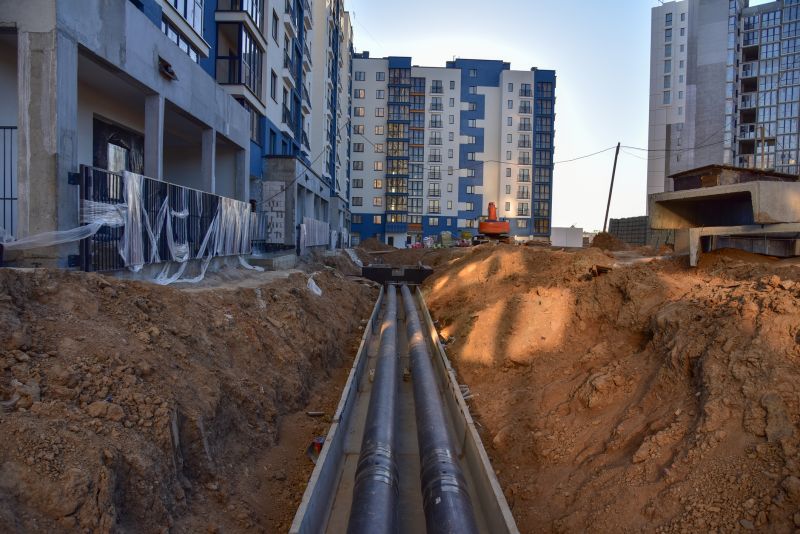
When evaluating potential contractors for trench installation, it is important to consider their experience with similar projects. Homeowners should look for service providers who have a proven track record in trenching work comparable to the scope of their project. This can include asking about the types of properties they have worked on, the complexity of past jobs, and how long they have been performing trench installation services. An experienced contractor is more likely to understand common challenges and best practices, which can contribute to a smoother process and a successful outcome.
Clear, written expectations are essential when comparing local contractors. Homeowners should seek detailed proposals that outline the scope of work, materials to be used, and any specific responsibilities of the contractor. Having this information documented helps prevent misunderstandings and ensures everyone is aligned on project deliverables. Service providers who communicate their plans clearly and provide comprehensive written estimates demonstrate professionalism and a commitment to transparency, making it easier to compare options effectively.
Reputable references and good communication are key indicators of a reliable trench installation contractor. Homeowners can ask for references from previous clients to gain insight into the contractor’s work quality, reliability, and ability to meet expectations. Additionally, observing how promptly and clearly a service provider responds to inquiries can reveal their level of professionalism and willingness to prioritize customer needs. Choosing local contractors known for open communication and positive references can help ensure the project proceeds smoothly and meets the homeowner’s requirements.
Property owners use Trench Installation services for practical projects around their homes and businesses. This guide focuses on everyday jobs and straightforward project options.
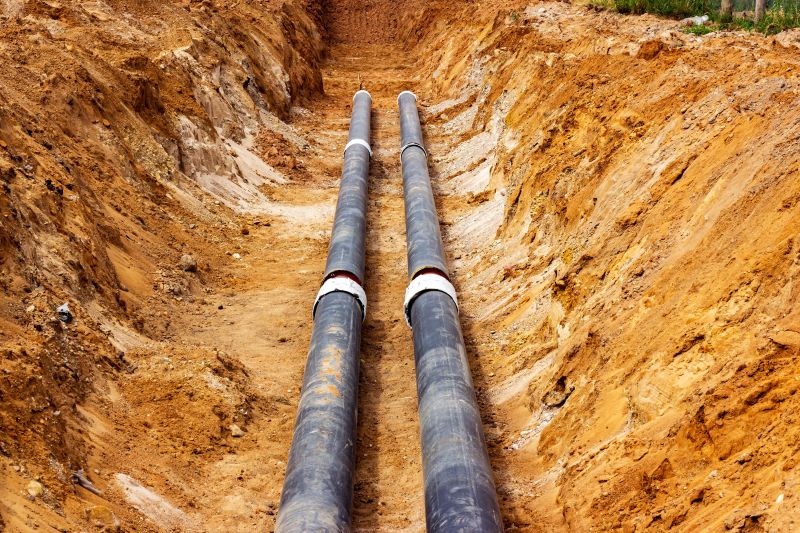
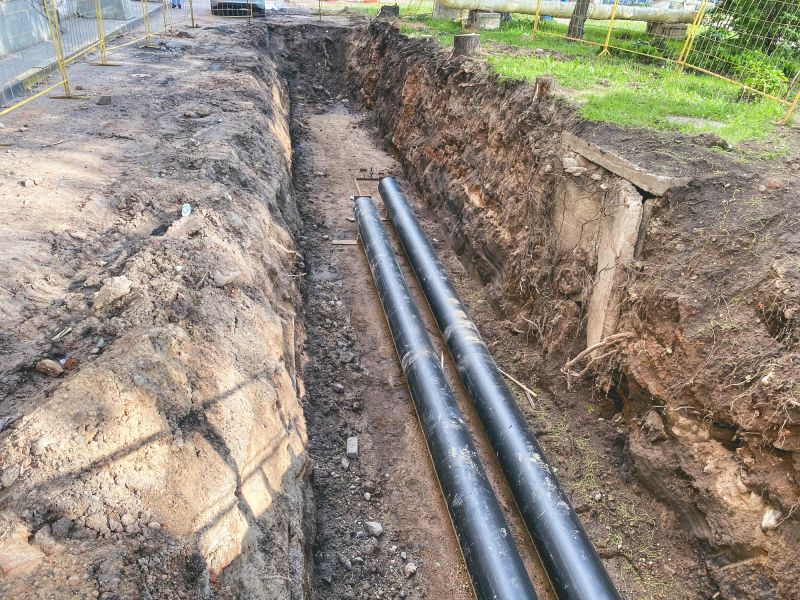
Trench installation services are often needed when property owners are planning to install new irrigation systems, drainage solutions, or underground utilities. These projects typically require careful excavation to create trenches that safely and effectively accommodate piping, wiring, or drainage components. Local contractors experienced in trench work can help ensure the job is done properly, minimizing disruption to the surrounding landscape and property.
Property owners may also seek trench installation services when preparing for landscaping upgrades or addressing drainage issues that could lead to water pooling or foundation problems. Skilled service providers in the area can handle trenching projects of various sizes, providing a practical solution to protect and improve the property's overall functionality and appearance.
What types of trenches do local contractors install? Local service providers typically install various types of trenches, including drainage trenches, utility trenches, and foundation trenches, tailored to specific project needs.
How do I prepare my property for trench installation? It's recommended to clear the area of obstacles and ensure easy access for contractors to facilitate efficient trench installation.
What materials are used in trench construction? Common materials include soil, gravel, pipe materials such as PVC or corrugated metal, and protective bedding, depending on the trench's purpose.
Are there different trenching methods available? Yes, local contractors may use methods like hand digging, trenching machines, or hydraulic excavators based on the project's scope and site conditions.
What factors influence the choice of trench size and depth? Factors include the type of utility or drainage system, soil conditions, and local building codes, which contractors consider when planning trench dimensions.
Drainage Improvement - Installing a trench can help redirect excess water away from foundations and landscaping to prevent flooding and water damage.
Foundation Protection - Proper trench installation can create a barrier to help protect a building’s foundation from moisture and erosion.
Landscape Drainage Solutions - Trench services can be used to install drainage systems that improve lawn and garden health by preventing standing water.
Erosion Control - Trenching can be part of a plan to stabilize slopes and prevent soil erosion around a property.
If you are thinking about Trench Installation for a property, this guide is meant to help you understand the work, the typical project types, and how different options might fit your plans.
When you are ready, you can use the quote form on this page to share a few details about your project. From there, local pros can review the basics and respond with options that match what you have in mind.